Waterproofing

Commercial Waterproofing Built to Protect Denver and Rocky Mountain Buildings

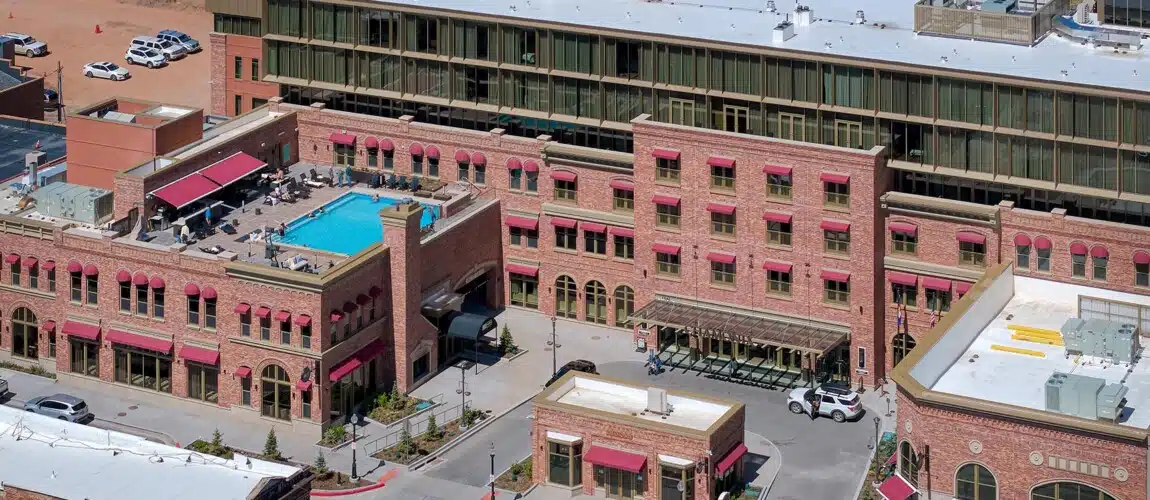
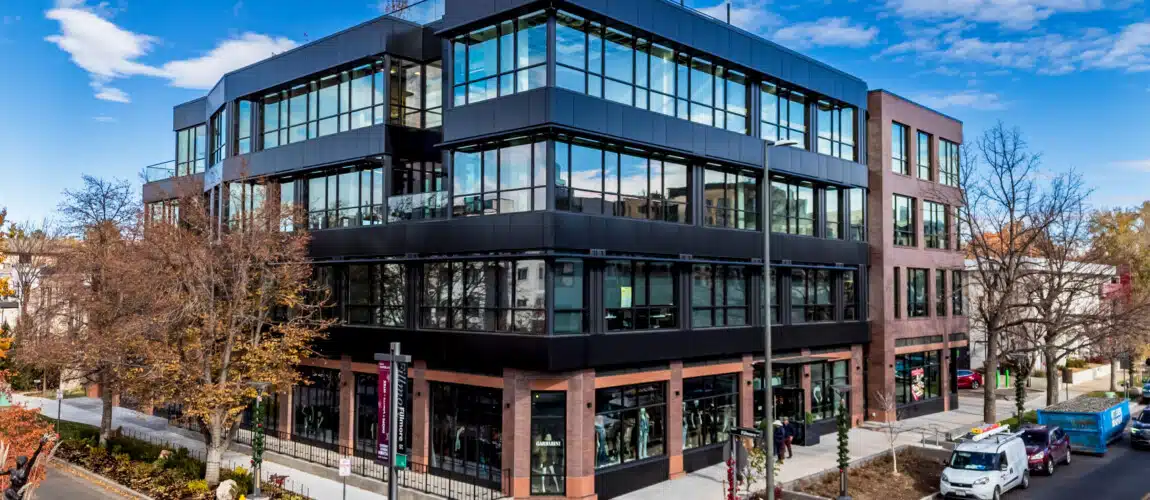
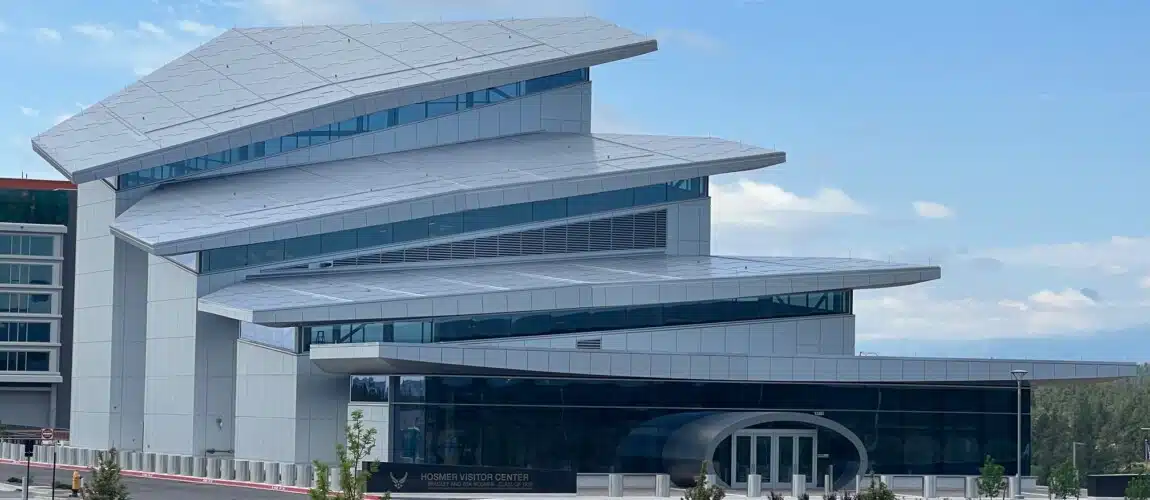
Commercial waterproofing protects buildings from leaks, moisture intrusion, foundation damage, mold risk, and long-term structural issues. Douglass Colony Group provides commercial waterproofing in Denver, Colorado, and the Rocky Mountain region for roofs, terraces, plaza decks, green roofs, foundations, and below-grade building systems.

With decades of commercial waterproofing experience across Denver, Colorado Springs, and the Rocky Mountain region, Douglass Colony Group specializes in protecting complex buildings from water damage at every level. Our team supports multifamily, hospitality, municipal, institutional, mixed-use, and commercial properties with waterproofing systems designed for long-term performance.

Douglass Colony Group provides professional all-weather roof, garden, terrace, plaza, foundation, and below-grade waterproofing services to help safeguard your building against leaks and water damage.The lack of proper waterproofing measures can lead to a variety of problems including leaks, foundation issues, health issues related to mold, and spoiled furniture, carpets, and belongings.

Douglass Colony provides waterproofing services for both flat and steep roofs to prevent moisture from reducing the structural integrity of your building and are also ready at any time to provide leak or water damage repairs.

Using industry-leading partners providing the best materials available, our team ensures every commercial waterproofing project is completed to the highest quality standards for complete customer satisfaction.

Vertical vs. Horizontal Waterproofing

Horizontal (Above-Grade) Waterproofing

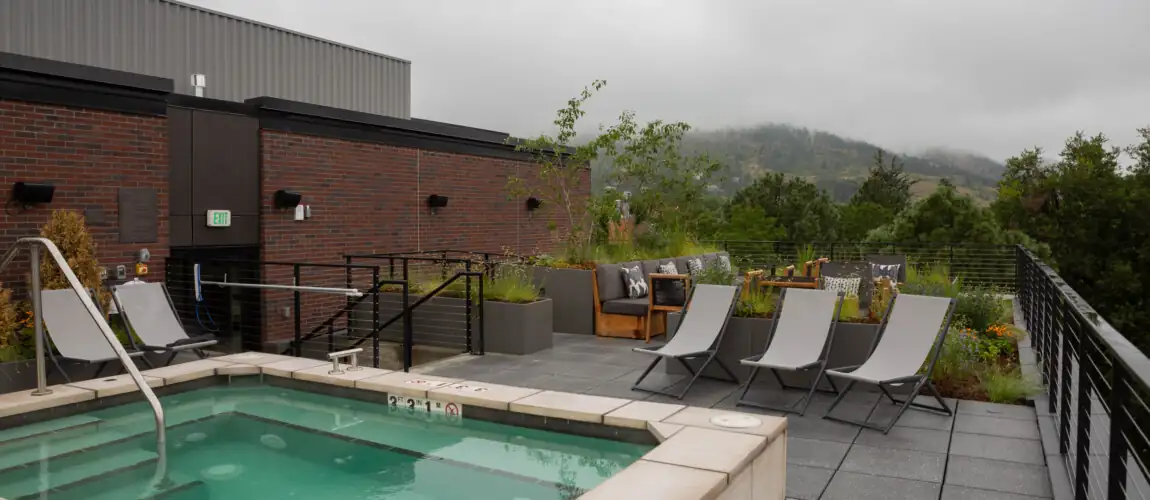
Horizontal waterproofing is used on surfaces where water can collect, move slowly, or sit above occupied space. Common applications include roof decks, rooftop terraces, plaza pavers, planters, split-slab assemblies, podium decks, and green roof systems.

For these conditions, Douglass Colony applies high-performance systems such as hot fluid-applied rubberized asphalt, reinforced membranes, PMMA coatings, traffic coatings, roof coatings, drainage assemblies, root protection, and overburden systems depending on the project. Horizontal waterproofing is especially important for multifamily buildings, hospitality projects, rooftop amenity spaces, institutional buildings, mixed-use developments, and commercial properties with roof gardens or plaza decks.

Vertical (Below-Grade) Waterproofing

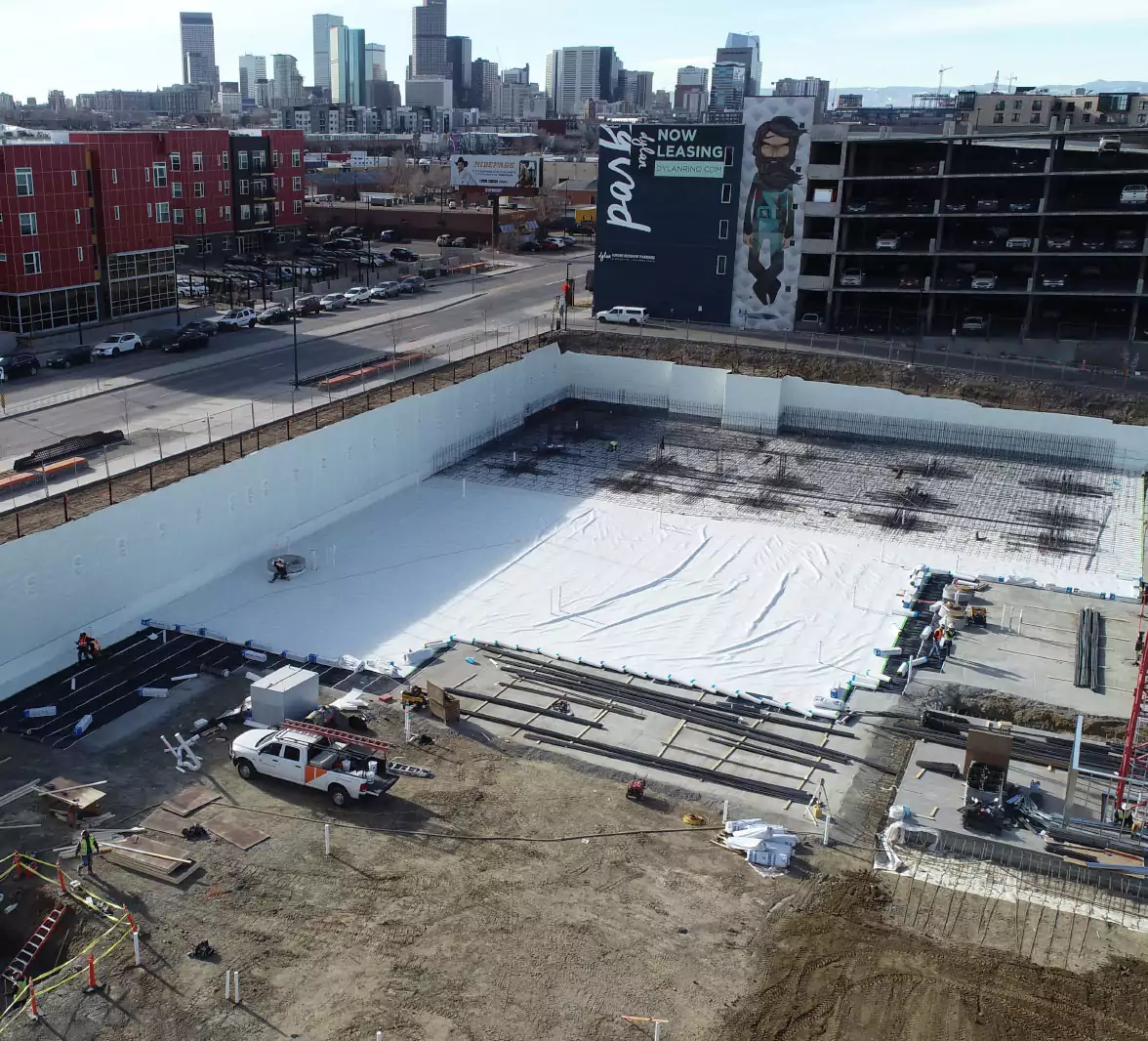
Vertical waterproofing, also called below-grade waterproofing, protects building surfaces that sit below ground level. These areas are especially vulnerable to water pressure, soil moisture, and groundwater intrusion, which can lead to foundation damage if the system is not designed and installed correctly.

Douglass Colony applies below-grade waterproofing systems including hot-applied reinforced membranes, sheet membranes, HDPE systems, bentonite systems, thermoplastic membranes, bituthene, and fluid-applied membrane systems. These systems are commonly used for foundations, basement walls, below-grade parking structures, retaining walls, and commercial buildings with underground or partially buried spaces.

When Do You Need Both Vertical and Horizontal Waterproofing?

Many commercial projects need both horizontal and vertical waterproofing. For example, a mixed-use development may need below-grade foundation waterproofing, podium deck waterproofing, terrace waterproofing, and green roof waterproofing within the same project. Coordinating these systems early helps reduce risk, protect transitions, and prevent gaps where water can move from one assembly to another.

Waterproofing Services

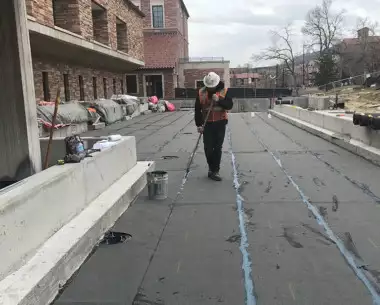
Construction worker laying Hot Fluid-Applied Rubberized Asphalt

Hot Fluid-Applied Rubberized Asphalt

For roof and terrace decks, garden and green roofs, plaza pavers, split-slabs, and foundation walls, hot fluid-applied rubberized asphalt creates a strong, continuous waterproofing layer. This system is often used when commercial projects need durable protection beneath pavers, planters, rooftop gardens, or other overburden conditions. It is a strong option for high-use areas where long-term water protection matters.

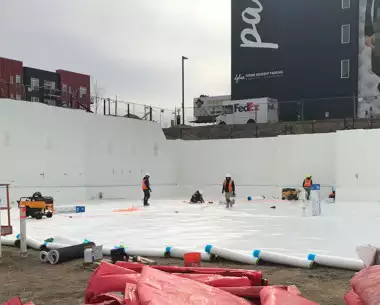
construction workers laying Foundation Waterproofing

Foundation Waterproofing

Foundation waterproofing helps protect below-grade spaces from water, moisture, and soil-side exposure. Douglass Colony provides blindside applications with HDPE, bentonite, and thermoplastic membrane systems, as well as post-applied applications with bituthene and fluid-applied membrane systems. These systems are commonly used for commercial foundations, basement walls, underground structures, and buildings where water management starts below the surface.

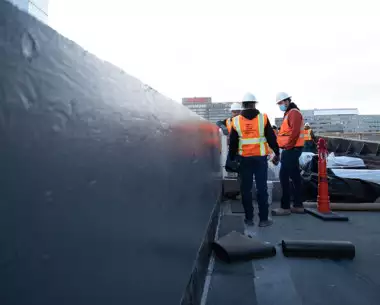
Construction workers doing Waterproofing Coatings

Waterproofing Coatings

Waterproofing coatings provide added protection for surfaces exposed to traffic, weather, moisture, and daily use. Douglass Colony applies PMMA, traffic, and roof coatings for areas of all shapes and sizes, including decks, walkways, roof areas, and other commercial surfaces. The right coating can help extend performance, improve protection, and support ongoing maintenance needs.

Testimonials

Questions? Contact us

Use the form or call 303-288-2635.

Waterproofing for Green Roofs, Terraces, and LEED Projects in Colorado

Green roofs, rooftop terraces, and plaza decks bring more value to commercial buildings, but they also add waterproofing complexity. These spaces often place soil, plants, pavers, drainage layers, insulation, and pedestrian traffic above the waterproofing system, which makes proper detailing essential.

As a green roof waterproofing contractor in Colorado, Douglass Colony helps protect these assemblies from the start. Our team can support waterproofing for rooftop gardens, modular tray systems, intensive and extensive green roof assemblies, terrace decks, plaza pavers, and other amenity spaces.

For LEED and green building projects, waterproofing plays an important role in long-term performance. Douglass Colony has experienced LEED AP professionals on staff and can help Colorado project teams coordinate waterproofing with sustainability goals, stormwater management needs, and durable building design.

Common Causes of Commercial Roof Leaks

Commercial roof leaks can come from many sources, and the visible leak is not always directly below the problem area. Common causes include aging membranes, damaged flashing, clogged drains, failed seams, punctures, poor detailing around penetrations, ponding water, storm damage, and transitions between roof, wall, terrace, and waterproofing systems.

Because water can travel through multiple building assemblies before becoming visible, leak investigation requires more than a quick patch. Douglass Colony’s maintenance and service team evaluates the full roofing and waterproofing system to identify the true source of the problem and recommend the most effective repair strategy.

Routine inspections and preventative maintenance can help catch small issues before they become costly leaks, interior damage, or disruptions to building operations. Through proactive maintenance programs, roof inspections, leak response services, and repair work, Douglass Colony helps building owners extend roof life and protect their investment year-round.

Concerned about a leak or signs of water intrusion? Schedule a commercial roof inspection with Douglass Colony to identify potential issues early and keep your building protected.

Frequently Asked Questions About Waterproofing

  • Waterproofing is designed to prevent water from entering or damaging a building assembly. Water-resistant coatings may help shed or slow moisture, but they are not always designed to perform as a complete waterproofing system. For commercial buildings, the right choice depends on the surface, exposure, use, and risk level.

  • Your building may need waterproofing if you see leaks, staining, mold concerns, foundation moisture, ponding water, cracked surfaces, failing coatings, or damage around terraces, roof decks, walls, or below-grade areas. Waterproofing may also be needed during new construction, roof replacement, green roof installation, plaza deck construction, or foundation work.

  • Below-grade waterproofing protects building surfaces that sit below ground level, such as foundation walls, basement walls, retaining walls, and below-grade parking structures. These areas face moisture from soil and groundwater, so they need systems designed to resist water intrusion over time.

  • Horizontal waterproofing protects flat or low-slope surfaces such as roof decks, terraces, plaza decks, planters, and green roofs. Vertical waterproofing protects upright surfaces, often below grade, such as foundation walls and basement walls. Many commercial projects need both to create complete protection.

  • Blindside waterproofing is installed before the structural wall is placed, usually when there is limited access to the outside of the foundation after construction. It is often used for below-grade walls, property-line construction, and tight urban sites where post-applied waterproofing is not practical.

  • The lifespan of commercial waterproofing depends on the system, installation quality, exposure, maintenance, and building conditions. Many waterproofing systems are designed for long-term performance, but regular inspections and timely repairs are important for protecting the building over time.

  • Yes, waterproofing can often be installed on an occupied building, depending on the scope and location of the work. Projects involving terraces, rooftops, plaza decks, or repairs may require phasing, access planning, safety coordination, and communication with tenants or building users.

  • Green roofs often require a complete assembly that may include a waterproofing membrane, root barrier, drainage layer, insulation, electronic leak detection, and overburden system. Douglass Colony works with garden systems, modular tray systems, intensive and extensive green roofs, and rooftop plaza decks.

  • Warranty options depend on the waterproofing system, manufacturer, project type, and installation requirements. Douglass Colony works with industry-leading manufacturing partners and can help owners and project teams understand available warranty options during planning.

Resources

Yellow building with

Why Metal Roofing Is Becoming the Default for Commercial Projects in the Mountain West

Learn why commercial metal roofing is becoming a preferred choice for Denver, Colorado, and Rocky Mountain projects facing sun, snow, hail, and high winds.

Aerial view of a modern office building in an urban area with mountains in the background

Pairing Solar, Green, and Purple Roof Technology on Commercial Projects

Learn how combining solar, green, and purple roof technologies into an integrated roofing system on commercial buildings improves energy efficiency, stormwater management, and long-term roof performance.

Avoiding Business Disruption During a Commercial Re-Roofing Project

Find out how to avoid business disruption during commercial re-roofing projects and how Douglass Colony Group can support you through the process.